Author: Adam Sherlock
In case you didn’t know, I spend a lot of time at events. And I mean a lot. International congresses, exhibitions, product launches, conferences, brand activations, roadshows, awards nights, and on it goes.
Different audiences, different objectives, different budgets and many (many) different definitions of success. What’s not different is what happens afterwards. Or more accurately, what doesn’t happen.
One way we describe our role is helping organisations be seen, heard and remembered by the people who matter most. After enough of these, you start to notice that “remembered” is the word that resonates most and maybe the one we spend the least amount of time on.
People rarely talk about the things we’ve spent months planning. They don’t mention the theme, the app almost never comes up, and I’ve yet to hear anyone reminisce about a floorplan (maybe when we have gone in the round!). Don’t get me wrong, these things are vital and getting them right matters enormously. But getting them right is the baseline. An expectation.
What a delegate recalls is the conversation they had with someone they didn’t expect to meet. Or the speaker who challenged their thinking and gave them a fresh perspective to put into action the following week.
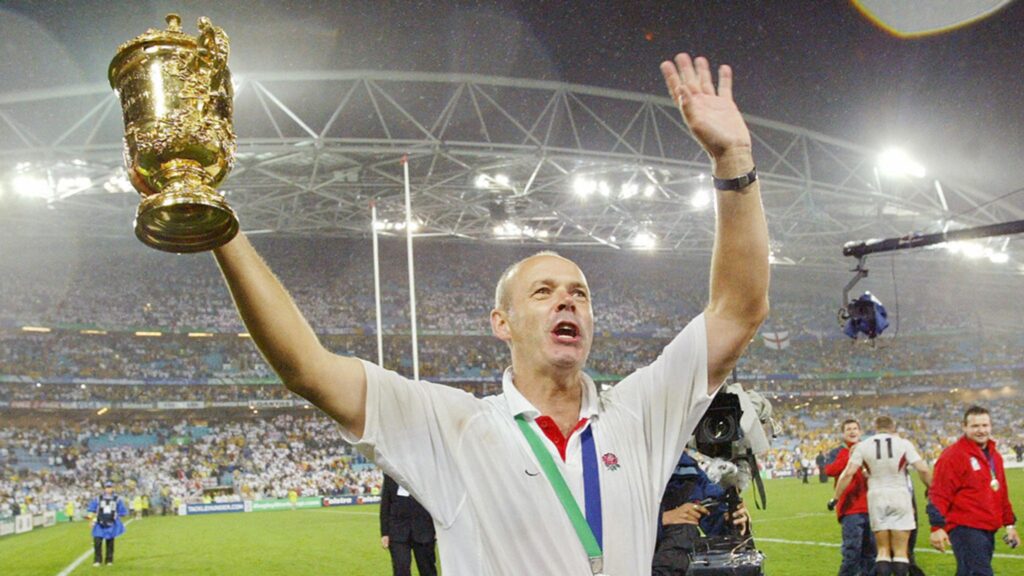
I still fondly recall a keynote speech from Sir Clive Woodward around ‘Teamship’ at a recent conference we planned. Having such an inspirational figure talk about what makes a great team stuck with me and still helps form my leadership style daily.
Have we as an industry become so focused on creating experiences that we’ve forgotten what we’re really trying to achieve? Memories. And should we, as the partners our clients brought in to help, be pushing this further up the agenda?
Creating something memorable isn’t about adding more content, more technology or more features. Some of the most memorable events I’ve been part of have been surprisingly simple. The teams behind them knew exactly who the event was for and what they wanted people to leave with, and everything else flowed from that.
Think about the events you’ve attended over the years. The ones that stayed with you probably didn’t have the biggest screen or the newest tech. Something clicked, and that’s what you remembered way after the doors closed.
The irony is that as events have become more sophisticated, a lot of them have become more similar. Often, it’s the same formats and same ideas presented slightly differently. Which is a strange place for an industry built on creativity to end up.
So I think one question matters more than almost any other when we start planning. What do we want people to remember?
It sounds deceptively easy, but it changes every decision that follows. The conversation stops being about what else we can add and starts being about what’s really needed. This could mean that in the next KO meeting the first question on the brief is why will this be memorable for our delegates? What are we doing to encourage that?
Because once the presentations have finished and the stands have been packed away, what people take away is rarely the branded mints and absurdly large LED screens.
It’s the impression that stayed with them. Being seen and heard is the straightforward part. Being remembered is what needs work.
If there’s an event you still talk about years later, I’d like to know what made it stick.
For twenty years, a global medtech leader has trusted us with their highest-profile events.
So when they approached us to help launch their 2026 milestone celebrations, we knew that it would be a standout project. The year marks three major milestones, each representing decades of innovation, growth and impact in healthcare:
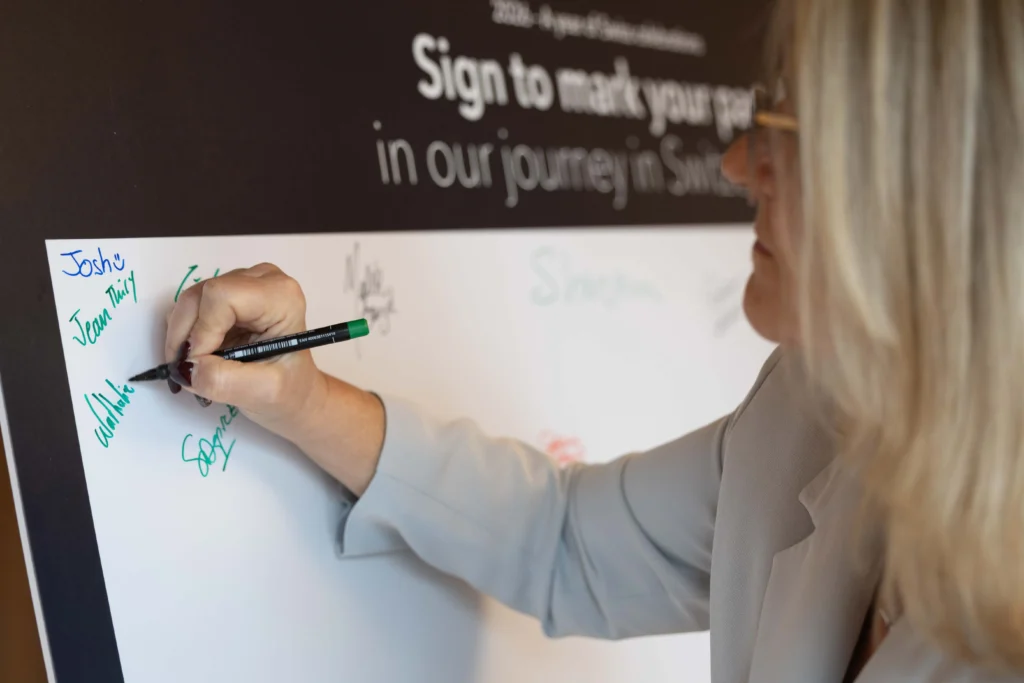
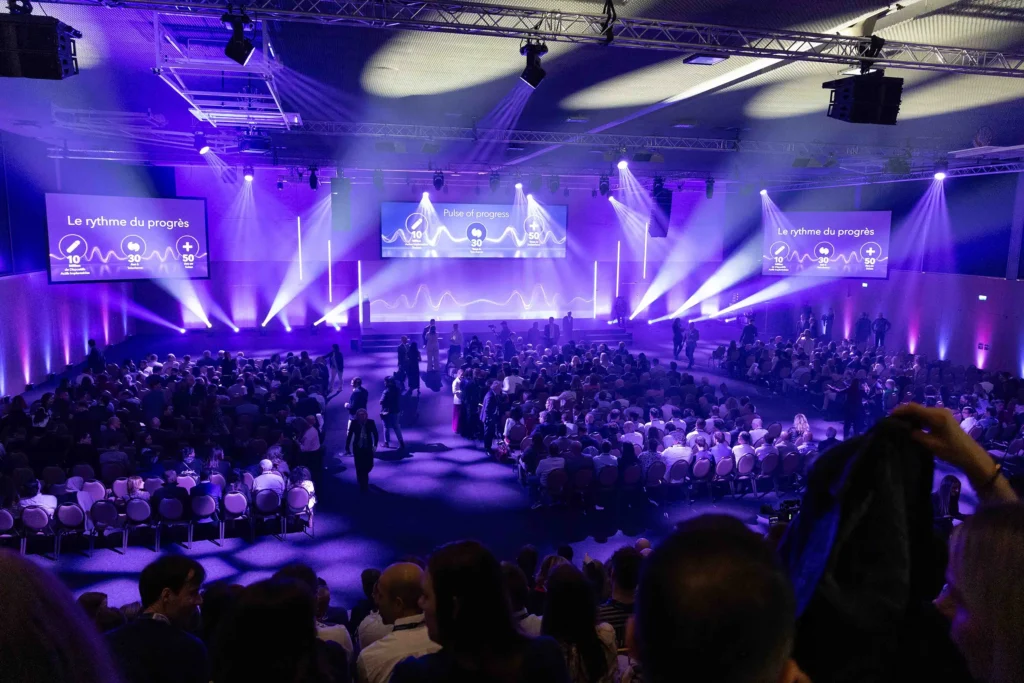
To bring those moments together, we looked to create an identity for a two-day celebration involving more than 800 employees alongside senior and executive leadership. The original brief sounded simple: one visual for one event. But as we explored the project, it became clear that this was something far bigger. A milestone year that demanded an identity capable of carrying the story.
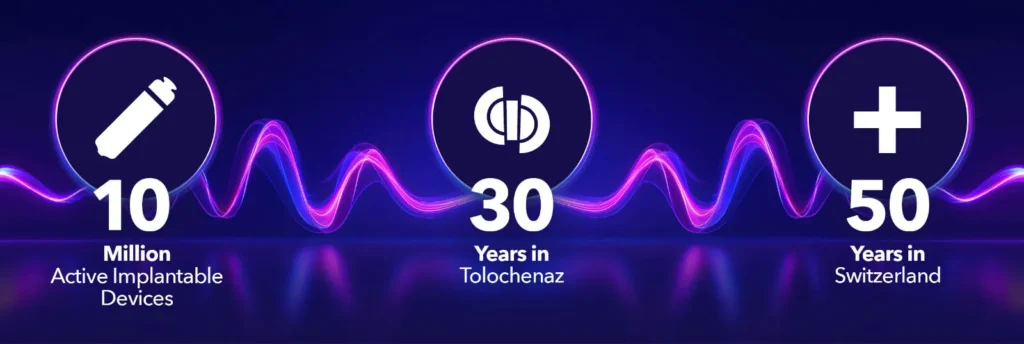
Finding the pulse
These anniversaries were about more than numbers. They needed to resonate with the people behind them. They were a powerful reminder that lives have been changed and clinicians and caregivers have been supported, all made possible by their employees’ hard work and innovation to shape the future of healthcare.
So with the stakes this high, the creative process had to start with the right question: what does this moment actually represent?
We came up with the idea: the Pulse of Progress.
A pulse is a simple but powerful signal of life, capturing movement and momentum. And progress, whether in healthcare, technology or patient outcomes, is rarely linear. The concept felt right immediately.
Collaborative creative
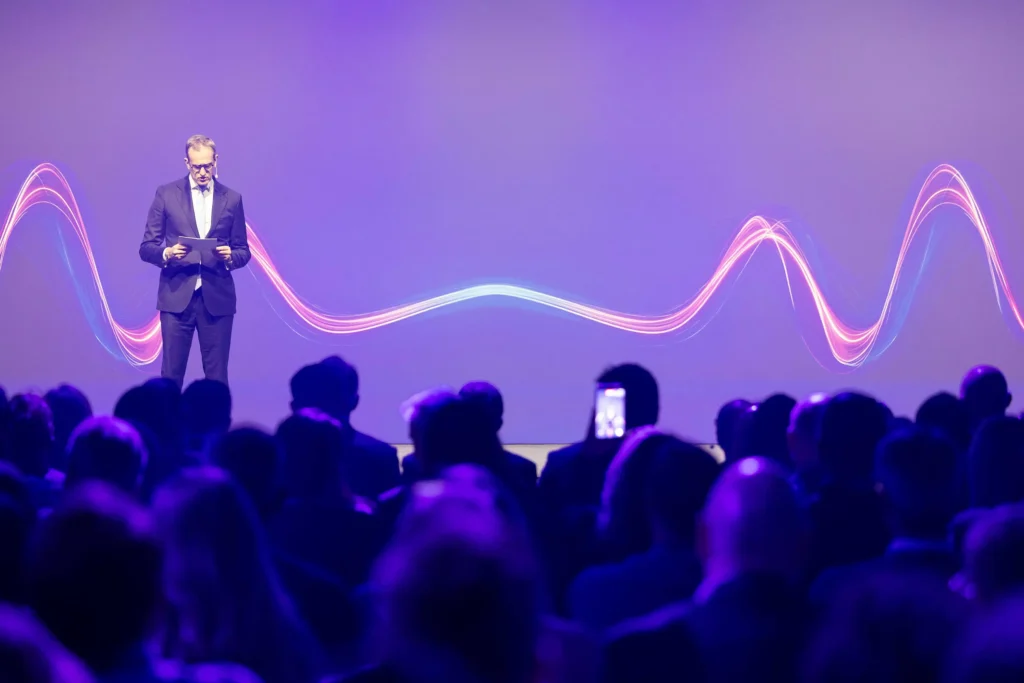
To bring it to life visually, the team developed a distinctive ‘wave’ identity. This took the form of a rhythmic pulse that could move across various formats, screens and spaces. This visual language that felt both dynamic and meaningful, as well as connected the client’s role at the heart of healthcare.
Projects like this only work when different disciplines work in harmony: creative direction, art direction, design, copywriting and moving image all came together holistically, ensuring every piece of the campaign told the same story.
Bringing the story to life
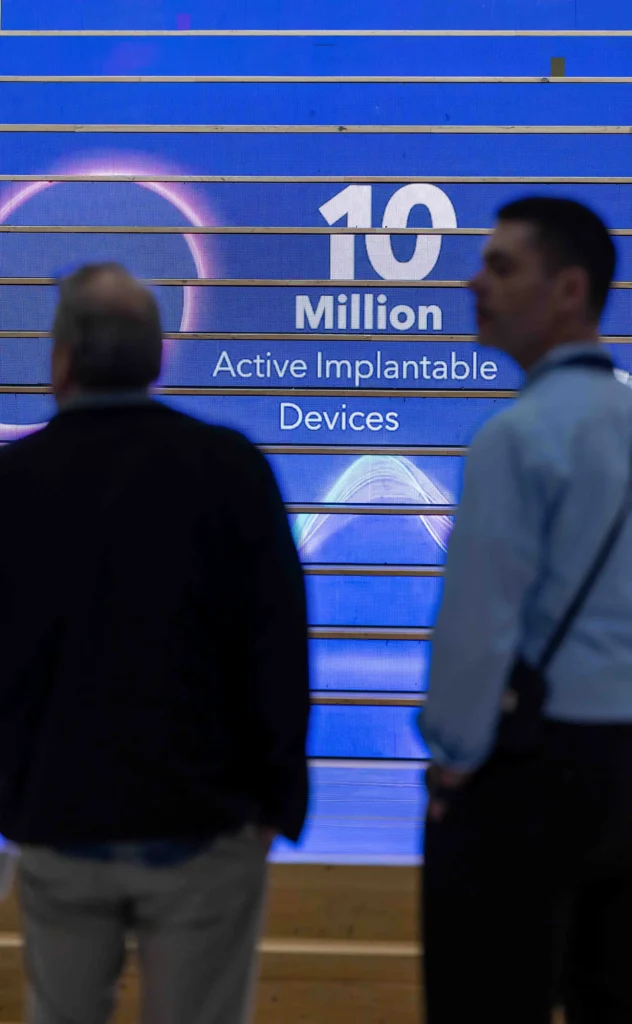
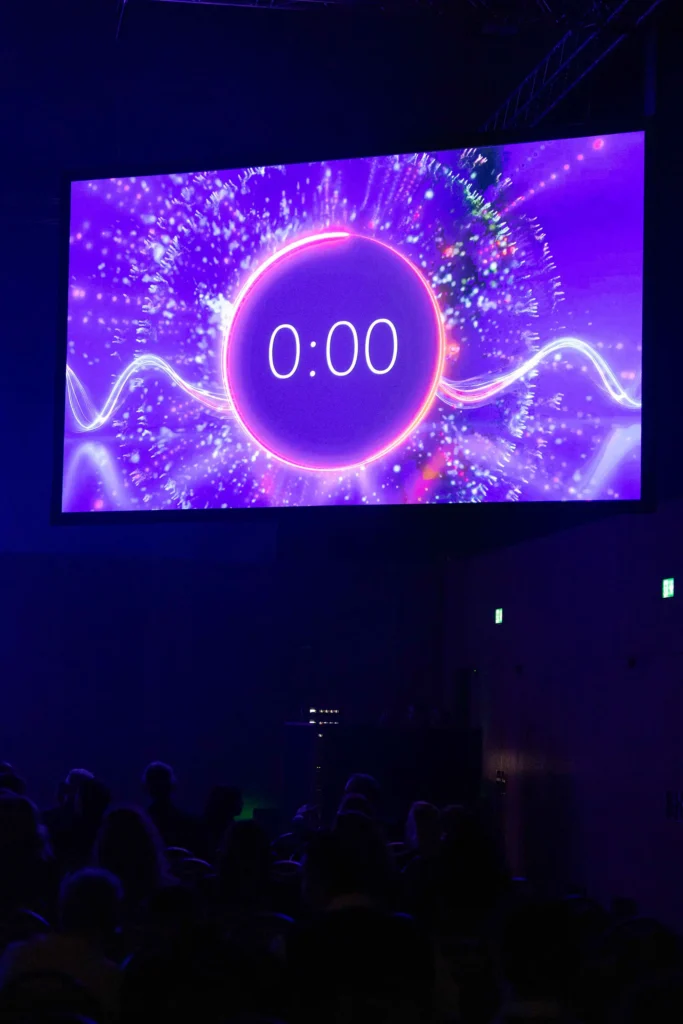
Once the identity was established, the campaign quickly expanded across multiple formats. The team designed and produced a wide range of materials, including presentations, event branding, environmental graphics and video content.
In the weeks leading up to the celebrations, our video team spent multiple filming days capturing additional content to support the narrative. One of the most powerful moments came in Bern, where our crew documented the implantation of a landmark implantable device at one of the country’s leading hospitals. A milestone that brought the scale of the achievement into sharp focus.
The two-day event itself marked just the beginning. Even weeks after the launch, internal teams continued to reference the work, and external audiences noticed its reach. Short-form social edits, long-form storytelling and internal communications all carried the Pulse of Progress identity forward. With more than 100 creative assets produced, including over 25 video outputs spanning internal and external channels, the campaign wasn’t just visually consistent, but genuinely connecting with people in a meaningful way.
“From concept to execution, the team delivered an identity that was as meaningful as it was scalable. Pulse of Progress united multiple milestones under a single, powerful story, carrying our message seamlessly across events, content and channels. It didn’t just celebrate our history; it brought our people together, reinforced the real impact our work has on lives, and became a shared language for what we’ve achieved and where we’re going.”
– Sr. Director, International Brand, Digital & Corporate Marketing
A partnership built over time
There’s another reason this project feels particularly special for us. 2026 also marks 20 years of collaboration between Outlook Creative and our client.
As our Co-Managing Director, John Lloyd puts it:
‘In the 12 and a half years I’ve personally worked with this client, we’ve delivered thousands of projects together. But this one stands out as one of the highest-profile pieces of work we’ve ever done. The level of content and engagement that came out of this project was incredible.’
Moments like this, where creativity, trust and shared purpose all come together, remind us why long-term partnerships matter. There’s real value in working with people who understand the story you’re trying to tell. And for this incredible milestone year, that story is only just getting started.