How testimonials build trust in a way that doesn’t feel like marketing
In complex sectors like healthcare and medtech, trust is hard-earned—and rightfully so. One of the biggest challenges is getting people to believe in something they may not yet fully understand or have never experienced themselves.
Yes, you can explain product benefits, outline a service and present the data, but none of that really gets to the core of what people want to know: what difference will this actually make to my life?
Whether it’s a patient considering a potentially life-changing therapy or a clinician evaluating the latest innovation, there’s often a gap between information and belief. What’s missing is that uniquely human story—the relatable moment where someone can say, ‘Because of X, I can now do Y, and my life is significantly better because of it.’
Closing that gap is where the most effective marketing happens.
Why testimonials are the ultimate connector
Now, this isn’t the first time we’ve spoken about human-to-human (H2H) marketing. And there’s a reason for that. Experience has shown us that testimonial storytelling occupies that space between information and belief with a specific kind of power.
The most impactful work feels personal, not promotional. Crucially, it doesn’t feel like marketing at all. That’s why authentic stories can do something most messaging can’t: translating complexity into lived experience. They show impact, rather than simply describing it.
And the same goes across the board, whatever the audience demographic or subject matter—as these projects highlight.
‘Ordinary’ people doing extraordinary things
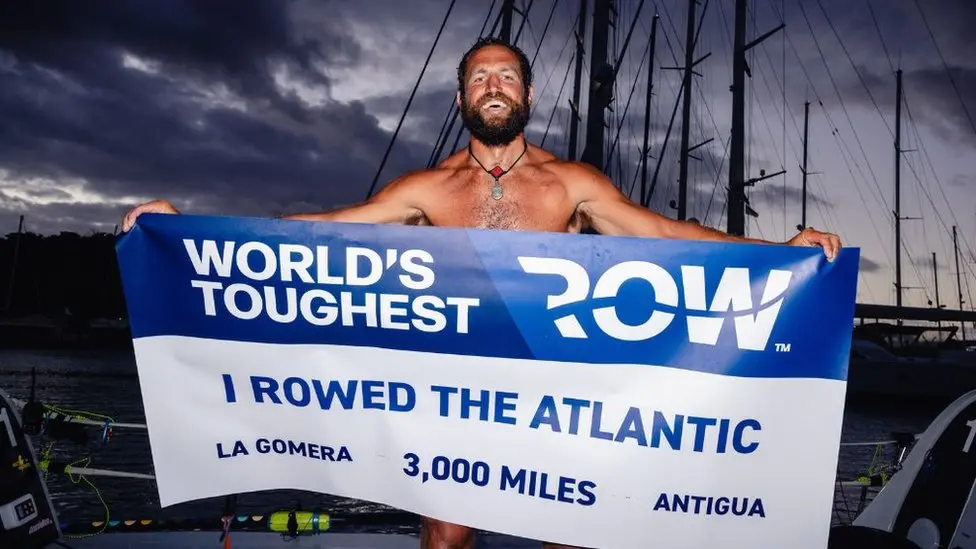
In 2023, Elliot Awin became the first person with a pacemaker to row solo and unsupported across the Atlantic Ocean.
We met Elliot as part of a project for a leading healthcare client to help share the story of how his own experience of living with heart arrhythmia has inspired him to support others.
Hearing Elliot telling his own story, in his own words, made all the difference. It’s the kind of story that doesn’t just inform but shifts perception in ways that a brochure or product booklet never could.
Stories that transcend language
In other instances, the challenge isn’t just building trust, but doing it across languages, cultures and markets.
On a recent European campaign, we captured a patient’s personal experience of living with pelvic health issues, and how a tiny device had changed her life.
The interview was conducted in her native Portuguese, which meant taking a slightly different approach—especially when it came to editing a story we couldn’t fully understand ourselves.
Working closely with our Portuguese crew for translation and context, we were still able to craft a heartfelt film that captured both our interviewee’s courage and the transformative impact of her treatment.
Proof that when a story is authentic, it transcends language.
Not just for patients
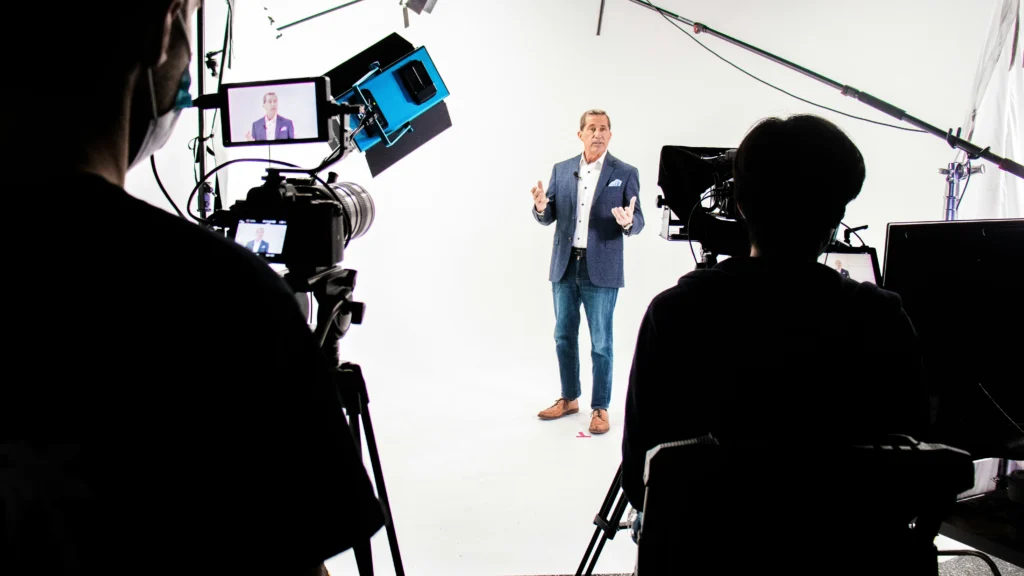
And it’s not just patient testimonials that pack a powerful punch. Clinician stories can be just as impactful, especially when you’re speaking to other clinicians.
For example, we recently delivered a project where our objective was to capture healthcare professionals (HCPs) sharing their experiences of using cardiac devices in real clinical settings.
There were no scripts and no over-polishing, just people talking about what works, how it enhances their day-to-day practice and why it supports better patient care.
That’s what gave it weight. Because when insight comes from peers, it carries a level of credibility that traditional messaging simply can’t match.
More than marketing
Testimonial marketing is often described as “the strategic use of positive feedback to build trust and increase sales.” But that feels like it’s missing the point a bit. Actually, a lot.
At its best, it’s about helping people actually understand something by showing what it looks like in real life—the tangible impact that we’d otherwise struggle to grasp.
Through human experience, abstract benefits suddenly feel relatable, technical features start to make more sense, and a message becomes something you genuinely believe.
And that’s why, in a world saturated with content, human stories will always cut through.
For twenty years, a global medtech leader has trusted us with their highest-profile events.
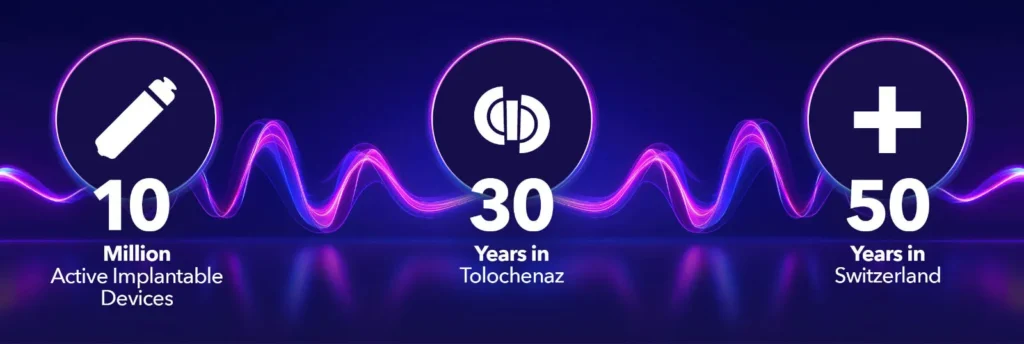
So when they approached us to help launch their 2026 milestone celebrations, we knew that it would be a standout project. The year marks three major milestones, each representing decades of innovation, growth and impact in healthcare:
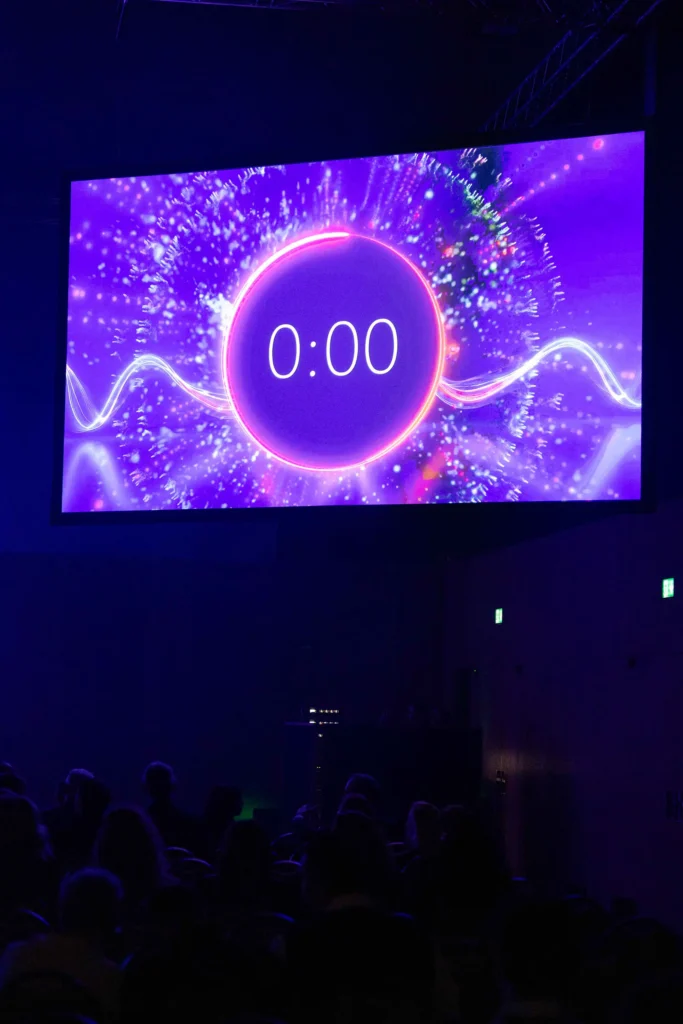
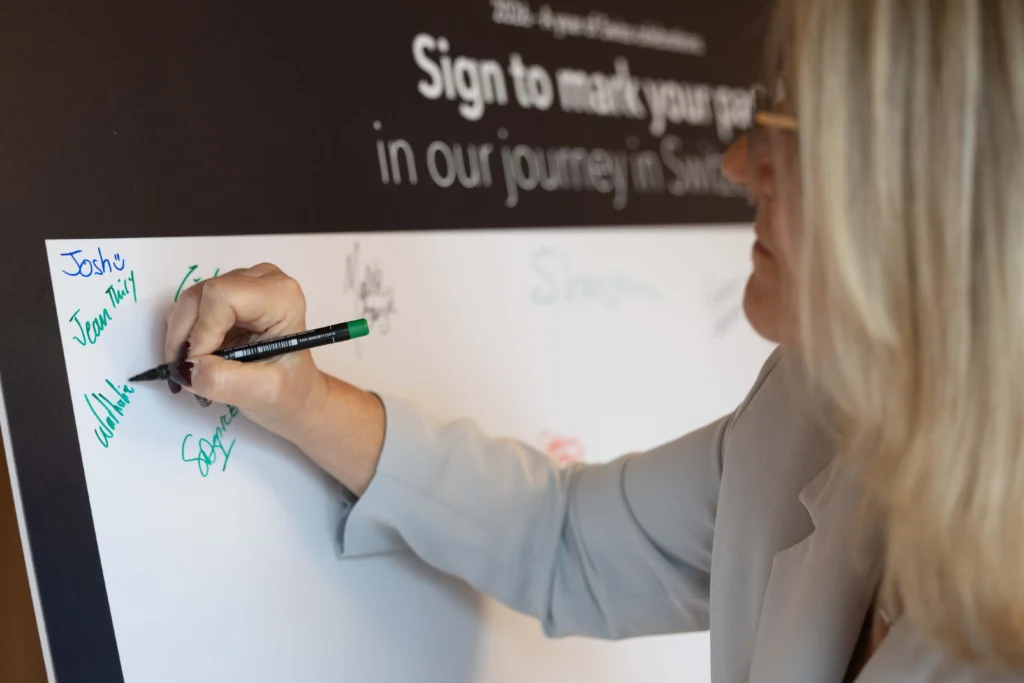
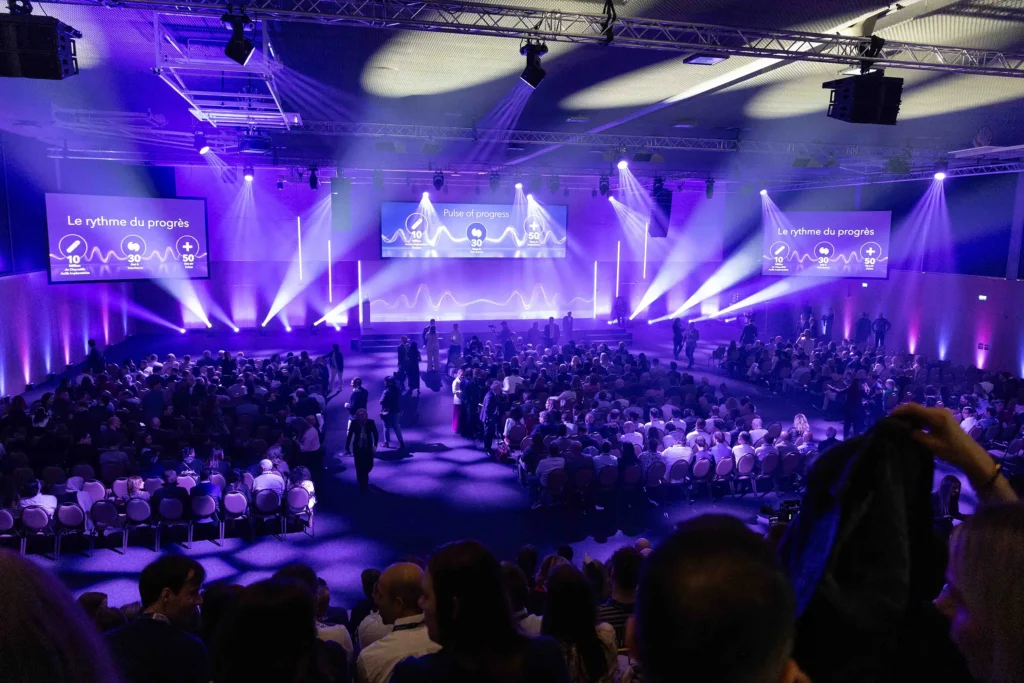
To bring those moments together, we looked to create an identity for a two-day celebration involving more than 800 employees alongside senior and executive leadership. The original brief sounded simple: one visual for one event. But as we explored the project, it became clear that this was something far bigger. A milestone year that demanded an identity capable of carrying the story.
Finding the pulse
These anniversaries were about more than numbers. They needed to resonate with the people behind them. They were a powerful reminder that lives have been changed and clinicians and caregivers have been supported, all made possible by their employees’ hard work and innovation to shape the future of healthcare.
So with the stakes this high, the creative process had to start with the right question: what does this moment actually represent?
We came up with the idea: the Pulse of Progress.
A pulse is a simple but powerful signal of life, capturing movement and momentum. And progress, whether in healthcare, technology or patient outcomes, is rarely linear. The concept felt right immediately.
Collaborative creative
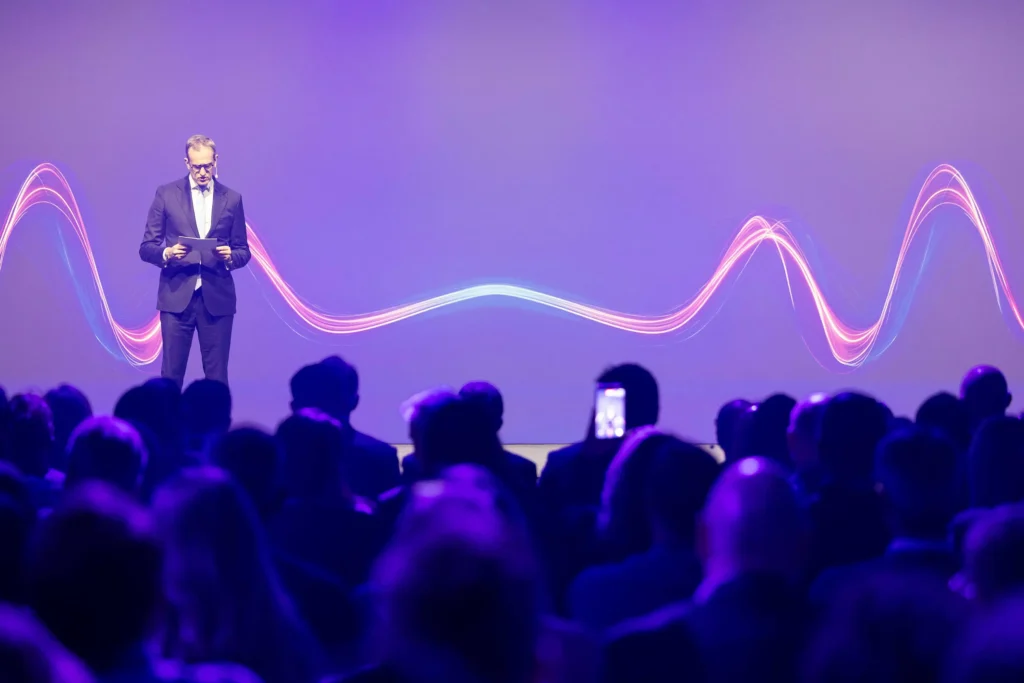
To bring it to life visually, the team developed a distinctive ‘wave’ identity. This took the form of a rhythmic pulse that could move across various formats, screens and spaces. This visual language that felt both dynamic and meaningful, as well as connected the client’s role at the heart of healthcare.
Projects like this only work when different disciplines work in harmony: creative direction, art direction, design, copywriting and moving image all came together holistically, ensuring every piece of the campaign told the same story.
Bringing the story to life
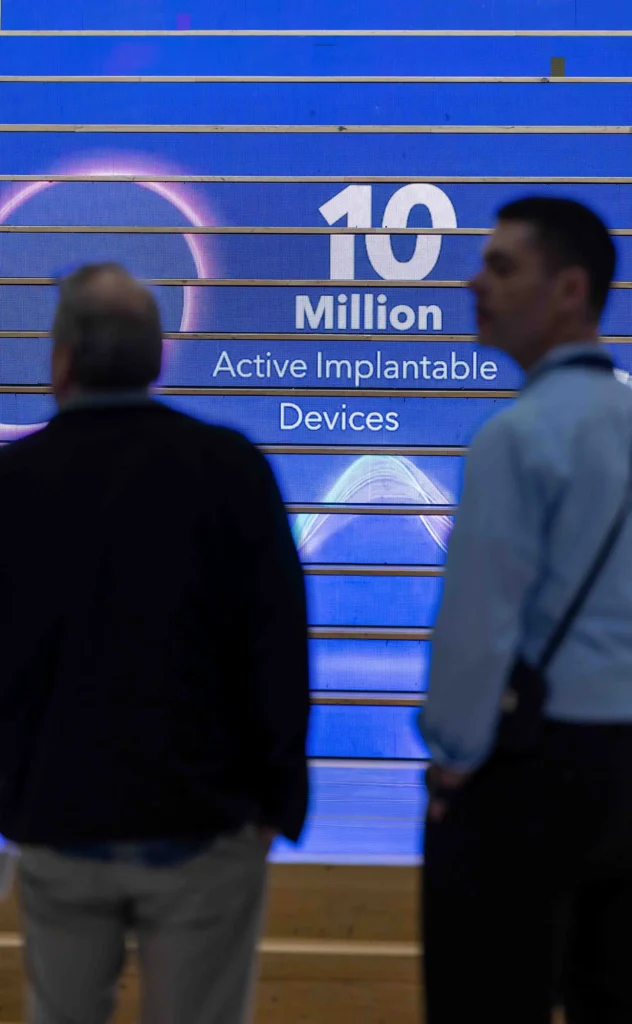
Once the identity was established, the campaign quickly expanded across multiple formats. The team designed and produced a wide range of materials, including presentations, event branding, environmental graphics and video content.
In the weeks leading up to the celebrations, our video team spent multiple filming days capturing additional content to support the narrative. One of the most powerful moments came in Bern, where our crew documented the implantation of a landmark implantable device at one of the country’s leading hospitals. A milestone that brought the scale of the achievement into sharp focus.
The two-day event itself marked just the beginning. Even weeks after the launch, internal teams continued to reference the work, and external audiences noticed its reach. Short-form social edits, long-form storytelling and internal communications all carried the Pulse of Progress identity forward. With more than 100 creative assets produced, including over 25 video outputs spanning internal and external channels, the campaign wasn’t just visually consistent, but genuinely connecting with people in a meaningful way.
“From concept to execution, the team delivered an identity that was as meaningful as it was scalable. Pulse of Progress united multiple milestones under a single, powerful story, carrying our message seamlessly across events, content and channels. It didn’t just celebrate our history; it brought our people together, reinforced the real impact our work has on lives, and became a shared language for what we’ve achieved and where we’re going.”
– Sr. Director, International Brand, Digital & Corporate Marketing
A partnership built over time
There’s another reason this project feels particularly special for us. 2026 also marks 20 years of collaboration between Outlook Creative and our client.
As our Co-Managing Director, John Lloyd puts it:
‘In the 12 and a half years I’ve personally worked with this client, we’ve delivered thousands of projects together. But this one stands out as one of the highest-profile pieces of work we’ve ever done. The level of content and engagement that came out of this project was incredible.’
Moments like this, where creativity, trust and shared purpose all come together, remind us why long-term partnerships matter. There’s real value in working with people who understand the story you’re trying to tell. And for this incredible milestone year, that story is only just getting started.
When an Executive Leadership team event stretches across three days, dozens of sessions and hundreds of touchpoints, the challenge isn’t necessarily volume. It’s coherence. You need everything to belong in the same world, especially when timelines are tight, expectations are high and most of the audience were there last year.
From the outside, this kind of project can look effortless: cinematic, confident and clean. Up close, however, it’s layered and deeply human. Which basically means a small group of very skilled people holding a lot of moving parts at once.
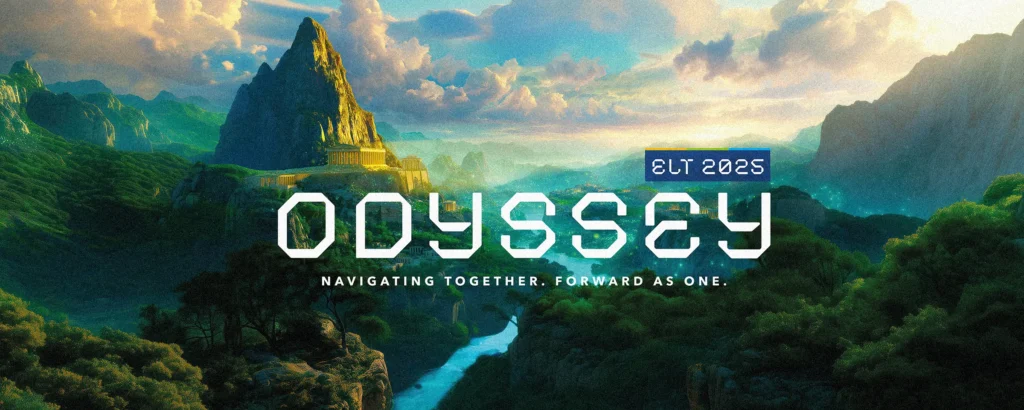
We saw this first-hand on a recent Odyssey-themed Executive Leadership event for a long-standing client of ours. This time, that coherence came from two inseparable forces: a strong, enabling theme, and the way we used AI to expand creative exploration and build at scale.
Granted, AI didn’t make Odyssey happen overnight, but it helped us explore faster, go further and keep the whole three-day experience feeling like one joined-up world.
Turning scale into story
The brief was to deliver a consistent experience across three days that felt intentional, connected and genuinely different for a returning audience. Less your typical conference, more stepping into another world.
Sure enough, world building emerged as a defining idea. Design soon moved beyond individual assets and began to imagine a complete, coherent world that unfolded over the three days. AI stepped up as a creative tool to support that narrative and scale.
That concept then evolved into a journey, or Odyssey, spanning three distinct environments. Early visual thinking drew loosely from fantasy world maps (think Lord of the Rings), where colour, terrain and geography signal progression. It established spatial storytelling from the start and clarified the three stages, helping the audience instinctively understand where they were in the story without over-explaining.

AI as a sketchbook, craft as the finish
When it came to mapping the narrative and distinct environments for each day, generative image exploration became our sketchbook. What started as vast landscapes, dramatic light and architecture emerging from rock progressed into a metaphorical acropolis for day one, dense green mountains for day two and an open water horizon for day three.
This is the bit that can sound magical when you summarise it. In reality, it’s iterative. You explore, refine, test… and then go again. Small prompts don’t always translate to small changes, so creative judgement is a must every step of the way.
Once we had strong direction, we shifted from exploration to build. That meant retouching, rebuilding, extending canvases, correcting light and adjusting perspective, sometimes merging multiple outputs to achieve a workable result. This is the unseen part that requires making the right call: do we regenerate or rebuild? Does that particular imperfection add character, or break the illusion?
An early stylistic decision shaped everything. Rather than aiming for photorealism, we leaned into a stylised, gamified aesthetic, closer to Avatar or a high-end video game world. That choice freed us from being hyper-real and made every design element feel intentional.

Continuity is where it counts
For Odyssey to feel truly immersive, each of our environments had to feel distinct yet undeniably part of the same universe. Otherwise, you don’t have a world; you have three separate backdrops.
The navigators were central to that consistency. As guides through the journey, they had to feel like they belonged inside it. Built as hybrids, we used real client imagery to anchor each character, while generative visuals pushed the world and wardrobe. Here, AI captured the Jumanji-esque vibe we were going for… just not the person. Turns out, ‘generic adventurer’ is easy; ‘recognisable speaker’ less so. Human design skills were very much key to rebuilding and refining each profile until the team was unmistakably themselves.
While AI supported scripting and visuals, the voiceover was intentionally human. A trusted voice actor anchored the story inside those otherworldly environments. Music was selected early with different tracks for each day, so the voiceover was recorded to music. That meant pacing and emotional rhythm were locked in from the outset.
Essentially, the tools helped us explore a bigger playground. The craft is what allowed us to piece it all together into a story with staying power.
So… does AI make it quicker and cheaper?
Onto the golden question: if you’re using AI, doesn’t that automatically mean faster and cheaper? Well, not necessarily.
On Odyssey, it became clear early on that AI wouldn’t reduce the work, but it could raise the ceiling of possibility. The real difference was how much we could build within the time we had, and how quickly we could test ambitious ideas before committing to a final route.
And that’s not to say that the process was seamless. Like any large-scale event, the journey to fruition was still intensive and iterative, with a constant need for creative judgement and control.
That’s the big win with AI. Not speed for its own sake, but what it unlocks: ideas you wouldn’t reach as quickly otherwise, and a broader creative horizon to explore. The output still depends on those talented humans you’ve always trusted making the calls.
If you’re looking for the people who can shape the work, keep it coherent at scale and bring the best ideas to life, let’s talk.
Live events are a high-pressure environment.
You’ve invested months in planning the stand, aligning the messaging, getting the team there, building something you’re proud of. Then the doors open… and suddenly everything is happening at once: overlapping conversations, competitors playing who can shout the loudest—all whilst attention is short and everything’s moving on fast forward.
And in that reality, the brands that come out on top aren’t always the ones with the biggest presence; they’re the ones that can respond in real time. Those that can capture what’s happening and share it while it’s still fresh.
The real advantage here isn’t size, it’s agility—on-site congress content that’s filmed, edited and live before the day is even done.
The problem: great stands can still get missed
Even the best exhibition experience can get swallowed up if it isn’t captured and shared as it’s actually happening.
Your team might be delivering brilliant demos, hosting meaningful discussions, running symposia… but if nobody outside that immediate moment sees it, the impact is always going to be limited.
And nope, it’s not enough to post a polished recap two weeks later. By then, the moment has passed.
Congress content needs to work both on the floor and off it. It needs to be built for speed, quality and brand control in a live setting.
Quick-turnaround content drives footfall while the event is underway
One of the biggest missed opportunities at congress is waiting too long to communicate what’s happening on your stand.
Fast, professionally edited on-site video captures activity as it unfolds, turning live moments into real-time invitations.
At EASD, for example, we created a same-day video for mylife Diabetes Care that invited delegates to experience their stand first-hand. Showcasing live demos, hands-on interaction and the energy around their evolving diabetes management solutions, it was posted while the congress was still in full swing, prompting attendees to come and see it for themselves!
Short-form video, optimised for platforms like LinkedIn, Instagram, X and TikTok, creates momentum and visibility while the event is still in motion.
Content that flexes
Live environments need modular content that can work across the event lifecycle.
That might look like:
Built as a system rather than a one-off, this approach keeps your message relevant from the first rig day to long after the stand is packed away.
Maximising the value of your exhibition investment
A congress is a serious investment, where all the different elements (not to mention the coffee!) really add up. So the question becomes: are you getting the full return?
On-site content transforms stand activity into marketing assets that continue working long after the event ends, extending the value of what you’ve already built.
Instead of one intense week of activity, you gain weeks or months of content supporting brand presence, follow-up campaigns, internal comms and future planning.
How do we know? At ESICM, we supported a global medtech leader with live congress content that brought their presence to life. Filmed and edited on-site, the videos showcased the expertise behind the brand and the diversity of the team delivering it, even engaging audiences in their native languages. Shared while the event was still underway, they extended the reach of their stand beyond the congress hall.
Built for the pace and pressure you’re under
We understand the pace organisations like yours work under. Live congress environments demand agility, consistency and creative that’s informed by what’s possible in the moment.
That’s why we create congress content designed for real-time impact—driving footfall, capturing authenticity and making your stand unmissable. Because at a congress, the brands that stand out aren’t just present. They’re impossible to ignore.
Early January always has the same energy. New plans. New priorities. New pressure to ‘get everyone aligned’. And for a lot of marketing and comms leads, that last bit is the hardest part.
Because change isn’t the problem. Confusion is.
A restructure, a new strategy, a product shift, a refreshed brand, a different way of working. On paper, it’s clear. In real life, it lands in busy inboxes, half-listened-to town halls and Teams calls where everyone’s still thinking about their next meeting. The message gets diluted, people fill in the gaps themselves and momentum slips.
That’s where we come in.
We’re a creative agency, yes. But our job isn’t ‘pretty pictures’ or a nicer set. It’s taking a communication need and turning it into something people actually understand, feel and act on. We join the dots from the first conversation to the final output, so the message stays intact wherever it shows up. That can mean strategy and messaging first, then the right mix of Design, Digital, Film or Live moments, all delivered as one connected story.
The trick is to start with the outcome, then choose the deliverables that make it real.
When a client says, ‘We need an event’, they rarely mean an event. They often mean they need leaders to believe in this change. Or teams to stop interpreting the strategy in ten different ways. Or customers to see us differently now.
So we turn that into reality.
We find the theme that holds everything together (not a list of topics). We break content into segments people can absorb, not monologues they sit through. We design with real cognitive limits in mind, because nobody retains a sixty-slide download. And we make it socially digestible so the story travels beyond the room—because we engage, rather than present.
A recent example: a major global healthcare client brought us in to help communicate a significant shift to their senior leaders. The ask wasn’t ‘make it look good’. It was ‘make this make sense’. We created a shared narrative and built the full experience around it, from the visual identity and films to staging, presentation storytelling and on-the-ground delivery. The goal was simple: replace uncertainty with clarity and confidence.
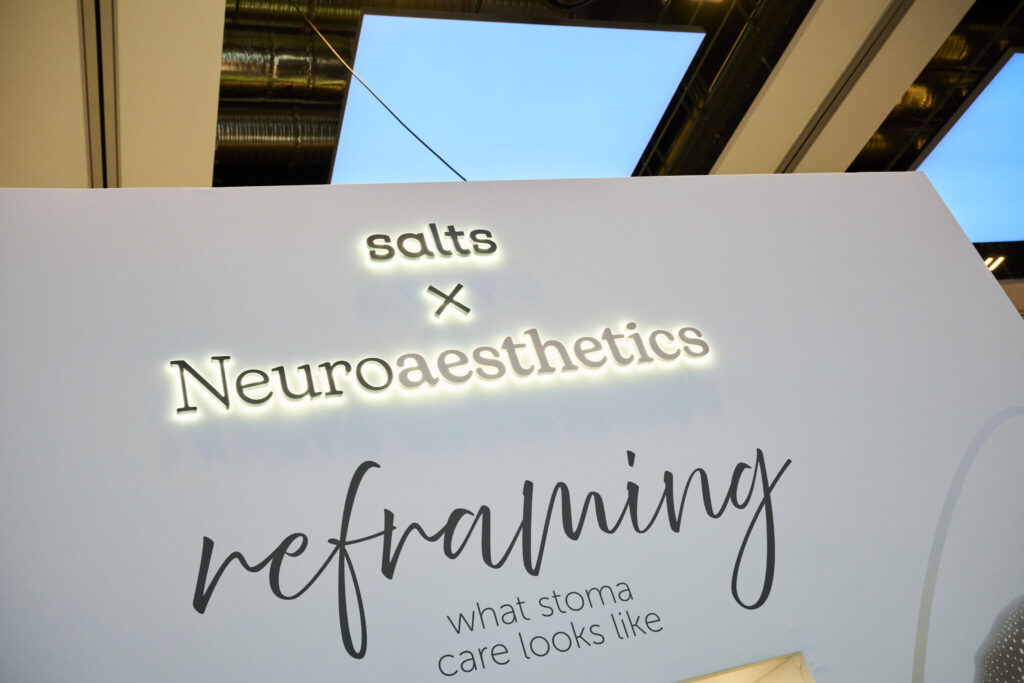
Then there’s Salts Healthcare. We built an exhibition stand designed to communicate their ethos around stoma care in a way that felt human, modern and very un-clinical. Neuroaesthetics. Sensory cues. A deliberately different look and feel. Because the message wasn’t ‘here’s our product range’. It was ‘here’s how we see people, and how we show up for them’.
If your 2026 involves change—which let’s be honest, it will—your comms can’t afford to be generic. They need to land. Transforming Creative into Reality starts with knowing the shift you need from your audience, not what needs to be made.
One event, endless content.
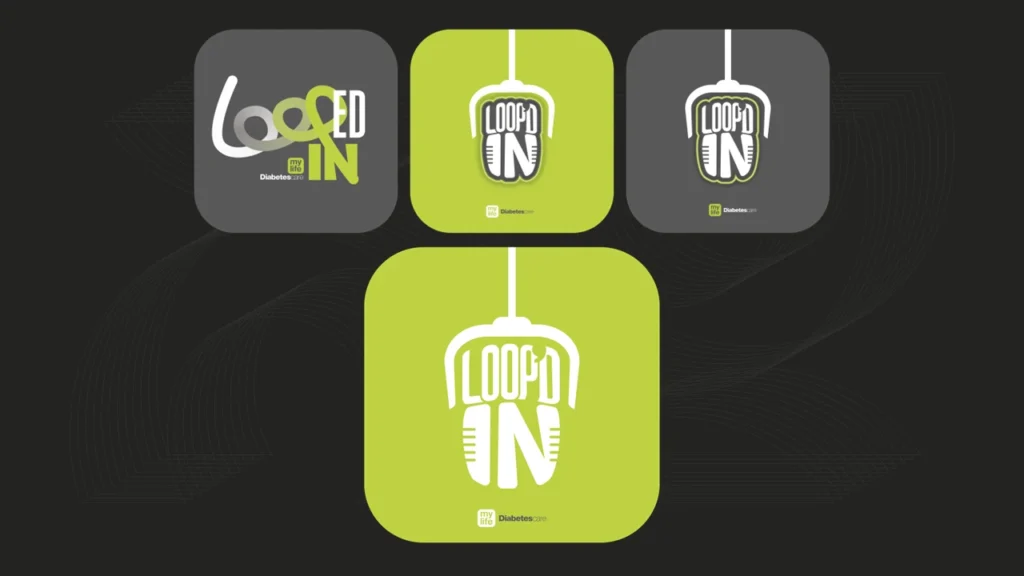
Exhibition podcasts. A ‘does what it says on the tin’ concept that means exactly what you think it does: a podcast recorded live at your exhibition stand.
It sounds simple—and that’s exactly why it works. Beneath the simplicity lies a surprisingly powerful opportunity for real-time brand storytelling, contagious audience engagement and long-term value that lasts long after your audience has gone home.
What’s not to love, right? If you’re not already googling podcast mics, here’s a stack of reasons why this slept-on format is both a no-brainer and a game-changer.
If you’re at an industry event, chances are your key opinion leaders and thought leaders are already on site. That means no travel arrangements, accommodation bookings or logistical spanners in the works to navigate.
All you need to do is create space for those conversations to happen. Hitting ‘record’ helps too.
If we’re being brutally honest, exhibition experiences can all blur into one for attendees. A live podcast setup changes that by creating a focal point.
Visitors linger longer when something interesting is happening. When people stick around, they’re more likely to engage in a meaningful way. And voilà: what would have been passive traffic becomes an active and invested audience.
When it comes to live events, momentum is everything (check out our thoughts on live edits for more on this). The experience itself is really just the start; for your message to truly stick, you need to make hay while the sun’s still shining.
The beauty of exhibition podcasts is that it’s easy to move quickly. We’re recording full conversations that need minimal editing—your content’s ready in hours, not weeks.
Never podcasted before? No problem. Our experienced crew knows how to capture crisp, studio-quality sound, even in noisy expo halls.
But we don’t stop at sound. Need branding? We’ve got you. Looking for a strategy? Give us an hour or two. A spot of host coaching to keep things sounding chatty and natural? Already handled. Point is, whatever it takes to get your series off the ground, we’ve got it covered.
That single session doesn’t just give you a podcast—one day of recording can give you a whole library of content.
From long-form episodes to snackable social cutdowns, highlights reels and campaign-ready assets, you get more reach, more mileage and more impact all from that one conversation. Sounds pretty good, doesn’t it?
So there you have it. You’re already investing in being there, and what you’ve got to say deserves to be heard. Let’s turn that into something people can keep listening to.
Why capturing your event (properly) might be better than the coffee.
Event day is here. Everything’s prepped and the buzz has begun. But we’ve got a harsh truth for you.
People forget most of what they hear at conferences. We’re talking 75–90%. After as little as an hour, retention can nosedive. And there’s only so much a coffee break can do to bring it back.
But there is a solution. One that might *even* be better than caffeine (yep, we said it).
When you record your event, you instantly create an on-demand library. Your guests can rewatch any session they choose, as many times as they want. Anyone who couldn’t make it on the day? They’re covered too. We’re talking some serious longevity—you’ve already done all the hard work; you might as well make it last!
We take live camera feeds and show content (think slides, videos, demos… whatever you’ve got) and turn them into a fully branded, broadcast-quality recording. All synced up. All ready to share the very next day.
A live edit means no waiting weeks for post-production. What your audience saw on the day is what they’ll see on playback—seamlessly edited and ready to go.
Time’s everything here. You’ve got to strike while the iron’s hot if you want to keep people engaged.
We’ll split your event recording into bite-sized sessions so your audience can dip back in when it suits them, plus we’ll pull out the best bits too. Want clips for social? No problem. Need a highlights reel to tease next year? Easy. Fancy something quick and sizzling to send to sponsors? Already sorted.
Everything’s packaged neatly before the last truck leaves.
Whether you want to boost accessibility, be more environmentally friendly or maximise your reach, we’ve got a full livestream production ready to go. We do this for events big and small, from product launches to full-scale conferences.
So yes, keep the coffee break on the day. But for lasting impact? Hit record too.
(And if you’re curious how easy this can be, check this out.)
In case you missed it, we recently launched Inside Outlook—our first ever outward-facing digital magazine. And we’re really proud of it! It’s the first time we’ve truly flung open the door to our world of creative problem-solving and invited everyone in for a hearty dose of all things Outlook Creative.*
Have a flick-through while you’re here. It’s full of honest conversations, stories of fulfilling client partnerships, and insights into the thought processes behind our work—essentially, all the things that get the cogs turning.
But the process of getting here sparked a wider debate. Isn’t a digital magazine a bit of a rogue move? We all have busier lives, shorter attention spans, and more content to digest than ever. It’s a short-form world. Surely no one’s going to read a 60-page magazine?
We’re going to go out on a limb and say…We think they will.
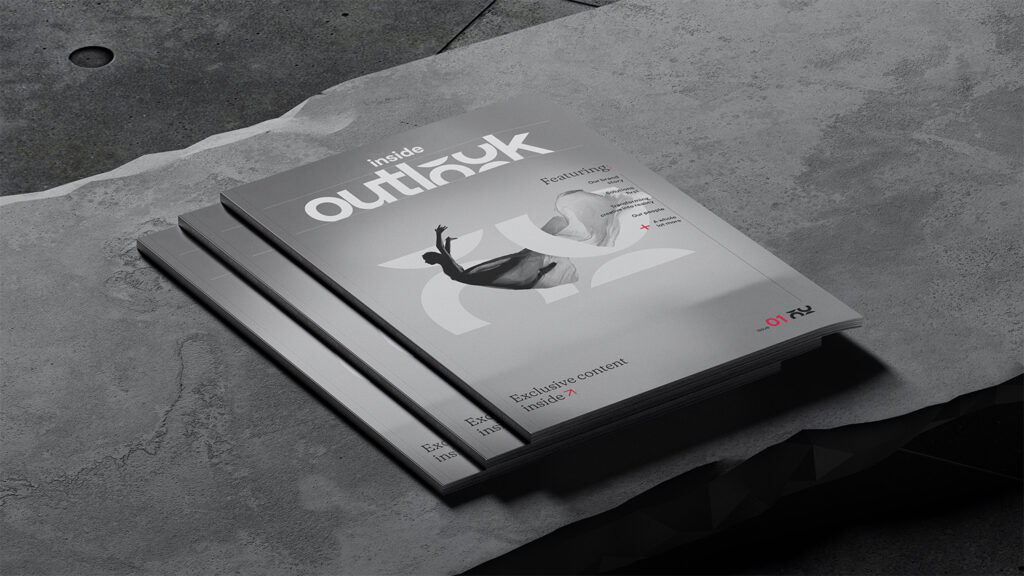
This isn’t just us blowing smoke up our proverbial. Digital magazines aren’t a new thing at Outlook Creative—our internal magazine, The Outlook, publishes three times a year and receives consistently high engagement rates. In fact, its popularity is what inspired a host of additional longer-form publications (including the one that’s the subject of this article).
We’re also noticing a growing trend towards long-form content among our clients. We recently won a competitive pitch to work with Salts Healthcare on their The Salts Way campaign. Our proposal for this lifestyle-inspired, nurse-led movement is centred around a campaign linchpin of—you guessed it—a carefully curated magazine.
Now, these examples may be anecdotal, but the broader point we’re making is echoed by the wider industry and consumer behaviour.
It’s not news that AI is transforming marketing at a rate of knots. But as a direct reaction to the saturation of uniform and often impersonal AI-generated content, experts predict that human-centric content, storytelling, and making an emotional connection will become more important than ever throughout 2025 and beyond.
In other words, people are craving authenticity and human stories. Digital magazines (and other longer-form mediums) provide an ideal platform for delivering the depth and meaningful engagement audiences are looking for.
“People are craving authenticity and human stories. Digital magazines (and other longer-form mediums) provide an ideal platform for delivering the depth and meaningful engagement audiences are looking for.”
We’re not saying that long-form content is the be-all and end-all of answering this need for a genuine, trusted voice. What we are saying is: Don’t write it off as part of a bigger strategic picture.
Because, while a pithy social post, short blog, or video is great for capturing attention, longer-form pieces are where you maintain that interest as part of an integrated cross-channel strategy, meeting your audience further down the funnel with the specifics of how your offering can make their lives easier. It’s also an opportunity to demonstrate thought leadership and authority on a more extensive scale—qualities that build confidence and scratch the authenticity itch.
So, it’s clear that long-form content is far from dead. It’s actually alive and kicking when used strategically—for example, a digital magazine that offers an interactive, multimedia-rich experience that stands the test of time…
That’s why we stand by our assertion that we think people will read Inside Outlook. And we’d hate for you to miss out.
“Long-form content isn’t dead. It’s actually alive and kicking when used strategically—for example, a digital magazine that offers an interactive, multimedia-rich experience that stands the test of time…”
*Everything featured is work our NDAs allow us to talk about. Anything else remains for our respective clients’ eyes only.
So, there you have it. That’s Inside Outlook. Want to feature in the next issue or have a magazine of your own? Get in touch and let’s chat.